
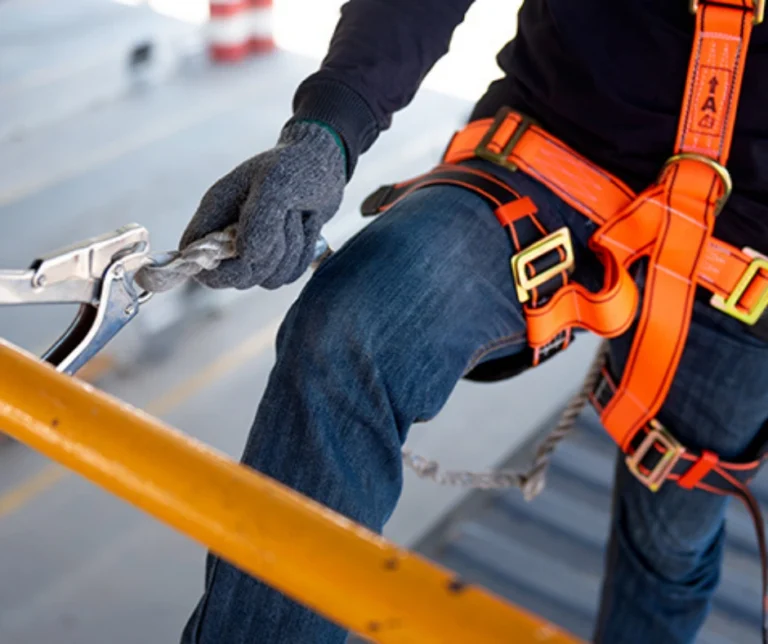
Work Safely at Heights: Essential Guide to Preventing Falls
Why Working Safely at Heights Matters More Than Ever
Working at heights remains one of the most dangerous activities across industries such as construction, mining, maintenance, roofing, civil works and telecommunications. According to Safe Work Australia, falls from height continue to be a leading cause of workplace fatalities and serious injuries — many of which could be prevented through proper planning, hazard control and training.
If you or your team performs tasks where there is a risk of falling, understanding how to work safely at heights is not only a legal obligation — it’s a critical part of keeping workers safe. This comprehensive guide will walk you through the essential requirements, controls, and safety practices recommended by regulators, industry experts, and the national training framework.
What Does “Work Safely at Heights” Mean?
Working at height refers to any activity where a person could fall and injure themselves, whether above or below ground level. This includes tasks performed on:
- Roofs and elevated platforms
- Ladders and scaffolding
- Mobile elevating work platforms (MEWPs)
- Towers, structures, and plant
- Fragile or unstable surfaces
- Edges without guardrails
- Excavations or drop-offs
Safe Work Australia emphasises that work at height must be avoided wherever possible. If the task can be done from the ground or a stable platform, that option must be chosen first.
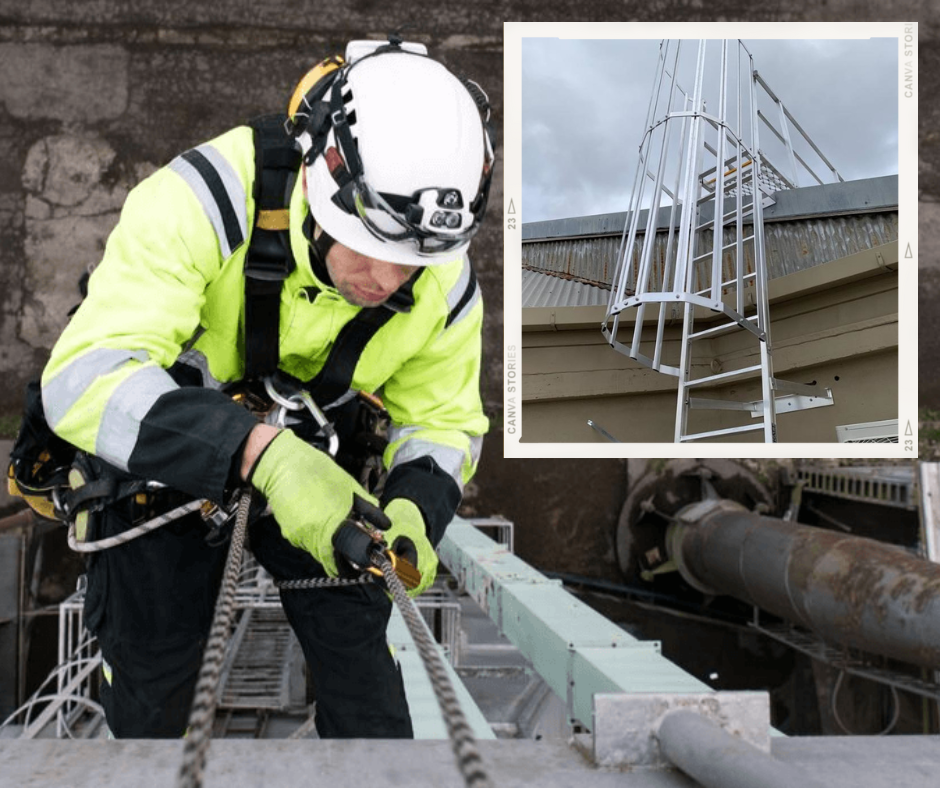
Legal Responsibilities When Working at Heights
Under Australia’s Work Health and Safety (WHS) laws, persons conducting a business or undertaking (PCBUs) must:
- Identify height-related hazards
- Assess and manage risks
- Provide and maintain safe systems of work
- Ensure workers receive proper training and supervision
- Supply suitable equipment and PPE
Consultation with workers is also a legal requirement, ensuring everyone is aware of risks and safety procedures before work begins.
Step 1: Conduct a Thorough Risk Assessment
Before any work begins, a detailed risk assessment must be completed. This includes:
- Identifying potential hazards (edges, uneven surfaces, weather conditions, unstable ground, fragile roofs)
- Determining who may be at risk
- Assessing the likelihood and severity of a fall
- Deciding if the task can be eliminated or performed at ground level
- Implementing the highest-level control measures possible
Safe Work Australia states that risk assessments must consider environmental, procedural, and human factors — not only the physical height itself.
Step 2: Apply the Hierarchy of Controls
Australia’s safety regulators emphasise using the Hierarchy of Controls when managing height-related hazards:
1. Elimination
Remove the need to work at height altogether.
Example: Using extending tools instead of climbing.
2. Substitution / Engineering Controls
If elimination is not possible:
- Install guardrails
- Use scaffolding, work platforms, or elevating work equipment
- Create solid work surfaces
3. Fall-Prevention Systems
Use systems that prevent workers from reaching an edge or falling.
Examples: Work-positioning systems, restraint systems.
4. Fall-Arrest Systems
Used only when higher controls are not reasonably practicable.
Examples: Harness + lanyard + anchors, safety nets, catch platforms.
5. Administrative Controls & PPE
These support other controls and should never be the primary protection.
Examples include:
- Safe Work Method Statements (SWMS)
- Warning signs
- Training and supervision
- Correct footwear
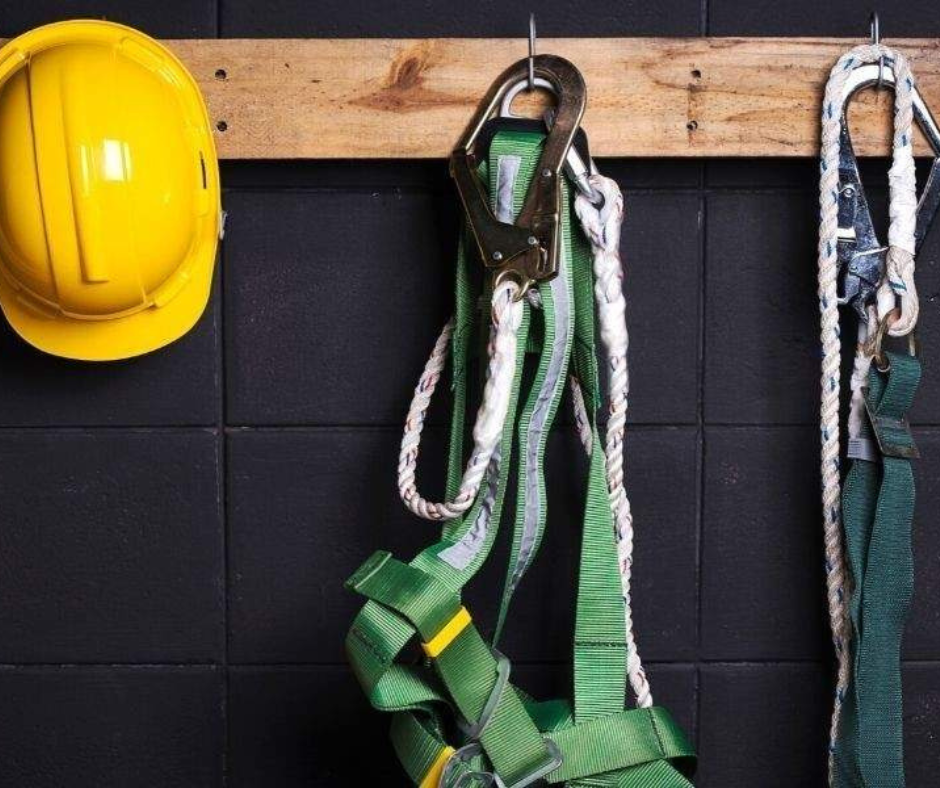
Common Hazards When Working at Height
Top safety authorities identify the following as the leading factors in height-related incidents:
- Unprotected edges or missing guardrails
- Fragile surfaces (skylights, asbestos roofs)
- Incorrect or damaged ladders
- Poor weather (wind, rain, heat)
- Slippery or unstable surfaces
- Falling objects
- Incorrect use of harnesses or anchor points
- Lack of training or supervision
Many of these risks can be prevented through planning, proper equipment, and adequate training.
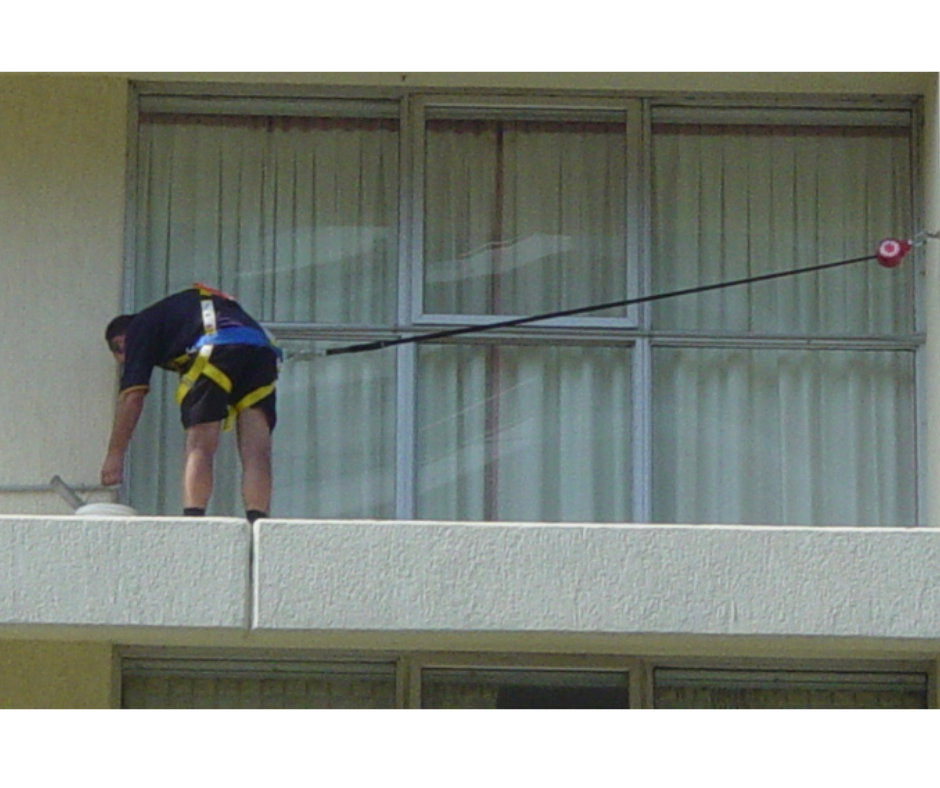
Why Work Safely at Heights Training is Essential
Australia’s national competency RIIWHS204E – Work Safely at Heights outlines the skills and knowledge required to work safely in elevated environments. This unit covers:
- Hazard identification and risk assessment
- Choosing and inspecting PPE
- Correct use of harnesses and fall-arrest systems
- Emergency procedures and rescue plans
- Setting up anchors, lines, and safe work areas
- Practical hands-on scenarios
Training ensures workers are competent, compliant, and confident — significantly reducing the likelihood of serious accidents.
Top 10 Safety Tips for Working at Heights
- Always start with a risk assessment
- Use guardrails or solid platforms wherever possible
- Inspect all equipment before use
- Choose the right ladder for the job — or avoid ladders if possible
- Secure tools and materials to prevent falling objects
- Maintain clean, dry, non-slip surfaces
- Use properly fitted safety harnesses and anchor points
- Provide training and refresher courses regularly
- Plan safe access and egress routes
- Use a Safe Work Method Statement (SWMS) for high-risk work
These practices align with Safe Work Australia guidelines and other leading safety resources.
Conclusion: Protect Your Workers, Protect Your Business
Working safely at heights is not optional — it’s a legal and moral responsibility. With the right planning, controls, and training, you can significantly reduce the risk of falls and ensure every worker goes home safely.
Investing in proper height-safety training will help your team:
- Work confidently
- Comply with WHS laws
- Prevent injuries
- Maintain productivity
- Reduce downtime and liability
If you’re responsible for workers at height, now is the time to ensure they are trained and competent.
Want to See Real Cases of Height-Related Incidents?
If you’d like to understand how unsafe height practices lead to serious injuries — and why compliance matters — read our full news alert article:
👉 NEWS ALERT: Multiple Fall-From-Height Incidents Across Queensland Highlight Ongoing Safety Risks
This incident summary highlights real examples of falls, scaffold failures, and young-worker injuries — reinforcing the importance of proper controls, supervision, and Work Safely at Heights training.