

Recent alerts from WorkSafe Queensland confirm a disturbing trend: workers—especially young and inexperienced workers—are still being seriously injured in preventable height-related incidents.
These real cases reinforce why every PCBU must take height safety seriously and ensure workers receive proper training, supervision, and fall-prevention controls.
Major Fall Incidents Involving Young Workers (2025)
September 2025 – Worker Falls 8 Metres Through Fragile Roof Sheeting
A young worker was lifting roofing sheets into position when the roof sheeting collapsed beneath him. He fell approximately eight metres onto plant equipment below, sustaining serious injuries.
August 2025 – Step Onto Alsynite Panel Leads to 8-Metre Fall
A young worker installing ridge capping stepped onto an alsynite (polycarbonate) panel that immediately failed. The worker fell eight metres to a concrete slab.
July 2025 – First-Year Apprentice Falls Through Floor Void (3 Metres)
A first-year apprentice performing carpentry duties stepped into an unprotected void and fell three metres to concrete below.
July 2025 – Worker Falls Into Unprotected Lift Shaft
While assisting to move furniture, a worker stepped backward into an exposed lift-shaft void and fell approximately 2.8 metres.
July 2025 – Worker Falls Through Fragile Roof (4 Metres)
A worker installing safety mesh stepped on an existing polycarbonate roof sheet that cracked, causing a fall of four metres to concrete.
These incidents highlight one critical pattern:
When safe systems of work are not followed — or when fragile surfaces, voids, or unprotected edges are involved — even routine tasks can result in life-changing injuries.
WorkSafe Queensland urges PCBUs to review work procedures, ensure equipment is well-maintained, and confirm all workers are trained and competent before any height-related work is undertaken.
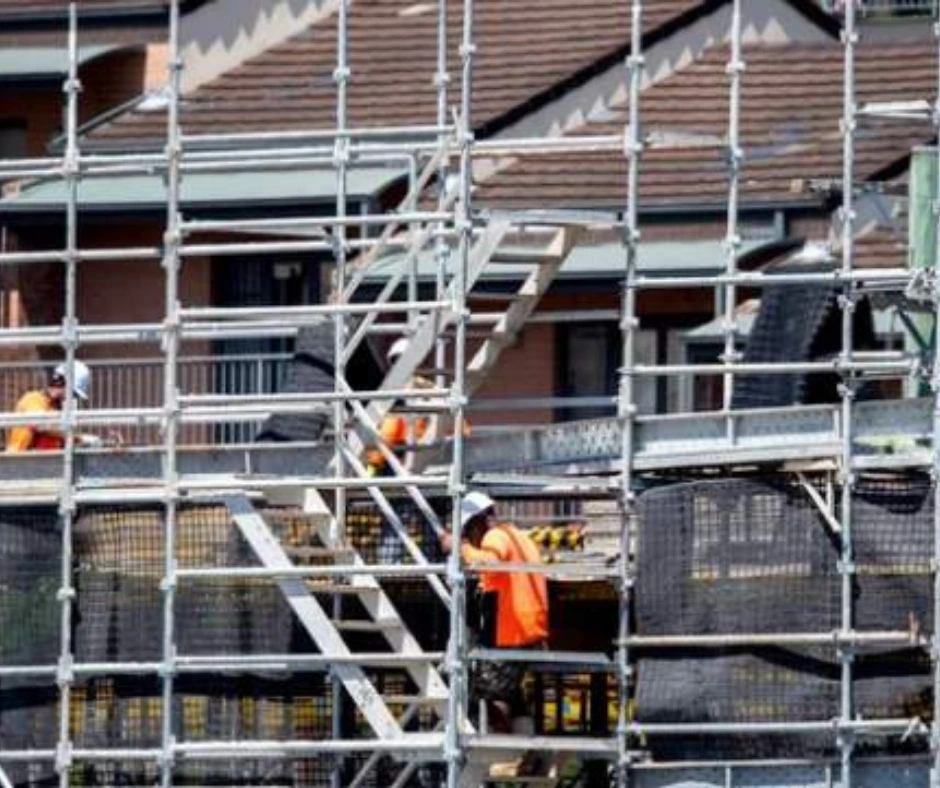
Workers Injured in Two Separate Scaffold-Related Falls
Two additional incidents reported in 2025 highlight the dangers associated with scaffold erection, alteration, and dismantling.
September 2025 – Worker Falls 3 Metres From First-Floor Slab
A worker fell approximately three metres from the edge of a commercial construction site during scaffold dismantling.
Early investigations suggest:
- A catch platform was removed too early, leaving workers exposed
- Scaffold components were being stacked near an unprotected edge
- Workers were passing materials down to another level when the fall occurred
July 2025 – Mobile Scaffold Overturns During Dismantling
In a separate incident, a worker fell three to five metres when a mobile scaffold overturned.
WorkSafe Queensland’s initial findings indicate:
- The scaffold was erected by someone without the required High-Risk Work Licence
- The scaffold was not properly secured during dismantling
Investigations into both incidents are ongoing, and findings may change as more information becomes available.
Key Safety Issues Identified
WorkSafe Queensland emphasises that scaffold-related tasks expose workers to significant fall risks, including:
- Incomplete or unstable scaffold structures
- Unprotected voids or access points
- Poor environmental conditions
- Incorrect or unsecured scaffold components
- Inadequate training or supervision
- Unauthorised alteration of scaffolds by other workers
Because scaffolds often remain onsite for weeks or months, they may be altered without the PCBU’s knowledge—creating hidden dangers.
Required Safety Controls Under WHS Law
Under the Work Health and Safety Regulation 2011, PCBUs must implement robust controls when workers are exposed to fall hazards, especially during scaffold erection or dismantling.
Mandatory controls include:
- A Safe Work Method Statement (SWMS) for high-risk construction work
- Scaffolding work performed only by licensed personnel
- Using the manufacturer’s specifications and scaffold design drawings
- Securing scaffold systems to prevent collapse or movement
- Providing safe access and egress for workers
- Using edge protection, safety mesh, or elevating work platforms where reasonably practicable
- Regular inspections and maintenance — including mandatory inspection intervals
Scaffold handover certificates must remain onsite until dismantled.
Examples of Effective Fall-Prevention Controls
WorkSafe Queensland recommends a combination of safe-design and operational controls, such as:
- Elevating Work Platforms (EWPs) to avoid standing on fragile roofs
- Safety mesh under roofing materials
- Compliant edge protection systems
- Travel-restraint systems to restrict movement toward edges
- Fall-arrest systems only when no safer alternative exists
- Good housekeeping to keep edges and pathways clear
- Safe sequences for dismantling scaffold to prevent creating new hazards
Special Considerations for Young and Inexperienced Workers
Young workers are over-represented in fall incidents. PCBUs must:
- Assess skills and competency before assigning tasks
- Provide clear instruction, supervision, and training
- Monitor work regularly
- Identify gaps in understanding and support workers accordingly
- Encourage young workers to ask questions and report hazards
New workers must understand:
- The risks involved
- The safe systems of work in place
- The purpose of controls such as guardrails, SWMS, PPE, or restraint systems
What These Incidents Mean for Your Workplace
These repeated incidents show that falls from height remain one of the most serious risks on construction sites. They highlight the need for:
- Strong planning and sequencing of scaffold work
- Competent, licensed workers
- Routine inspection and communication
- Thorough height-safety training for all workers
- Extra supervision for apprentices and young workers
This aligns with the core purpose of Work Safely at Heights training:
to protect workers, meet WHS obligations, and prevent life-altering injuries.
Source:
WorkSafe Queensland Incident Alerts (2025) — Numerous incidents workers falling from heights
Learn More: How to Prevent Height-Related Accidents
To further understand how to reduce risks, improve safety, and comply with WHS requirements, read our full guide:
👉 Work Safely at Heights: Essential Guide to Preventing Falls
This comprehensive article covers hazard identification, the hierarchy of controls, training requirements, and practical steps employers can take to prevent the types of incidents outlined in this news alert.